



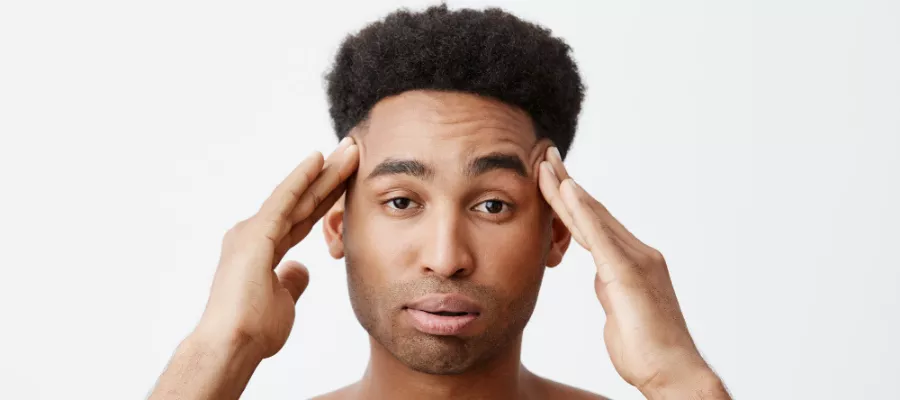
Afro hair transplant procedures in the Netherlands are specifically tailored to meet the unique needs of individuals with tightly coiled or curly hair textures. Due to the natural curl of Afro-textured hair, both above and below the skin surface, these procedures require specialized techniques and a skilled surgical approach. Dutch clinics that offer Afro hair transplants prioritize precision, follicle orientation, and custom treatment plans to ensure the best possible outcomes.
Using advanced FUE (Follicular Unit Extraction) or DHI (Direct Hair Implantation) methods, clinics focus on preserving the integrity of each curl pattern while ensuring dense, natural-looking results. This treatment is ideal for men and women of African descent experiencing thinning, receding hairlines, or localized bald spots. With experienced surgeons, modern equipment, and personalized care, Afro hair transplants in the Netherlands provide a safe, long-term solution for restoring natural hair density and confidence.
What Is Afro Hair Transplant Netherlands?
Afro hair transplant in the Netherlands is a specialized hair restoration procedure designed to address hair loss in individuals with naturally curly or tightly coiled hair. Unlike straight or wavy hair, Afro-textured hair grows with a unique curl pattern both above and below the skin, which requires advanced techniques for successful transplantation. Clinics in the Netherlands with expertise in Afro hair use methods like FUE or DHI to ensure graft survival, natural density, and the preservation of the curl pattern.
This type of transplant is particularly beneficial for patients of African or Afro-Caribbean descent who are experiencing receding hairlines, bald spots, or overall thinning. The goal is to restore natural-looking hair while maintaining the unique characteristics of Afro-textured follicles. Successful outcomes depend on the precision of the technique, experience of the medical team, and an in-depth understanding of the structure of curly hair.
How Is Afro Hair Transplant Performed in Netherlands?
In Dutch clinics, an Afro hair transplant is typically performed using the FUE (Follicular Unit Extraction) or DHI (Direct Hair Implantation) technique. First, the donor area (usually the back of the scalp) is examined, and viable follicles are selected. Due to the curled nature of the follicle beneath the scalp, extraction must be done with extra care to prevent damage. Experienced surgeons use modified tools and techniques to safely extract healthy grafts.
Once the grafts are prepared, they are implanted into the recipient area in alignment with the natural curl pattern. The process is performed under local anesthesia and can take several hours depending on the number of grafts required. Clinics in the Netherlands pay close attention to follicle orientation and depth to ensure that the transplanted hair grows in a natural direction and with consistent density.
Differences Between Afro Hair Transplant and Other Methods
The main difference between Afro hair transplant and standard procedures lies in the shape and growth pattern of the hair follicles. Afro hair is more elliptical in cross-section and tends to curl beneath the scalp, making extraction more complex. Standard FUE tools used for straight hair may not be effective for Afro-textured hair, increasing the risk of follicle damage if not handled properly.
Additionally, the implantation phase requires a different angle and depth to maintain the natural curl and ensure a uniform appearance. In contrast, transplants for straight or wavy hair do not require such meticulous alignment. These differences make Afro hair transplant more technically demanding and highlight the importance of choosing a clinic with specific experience in this field.
Who Is a Good Candidate for Afro Hair Transplant?
A good candidate for Afro hair transplant in the Netherlands is someone of African descent who is experiencing hair loss due to genetics, traction alopecia, scarring, or other causes. Candidates should have healthy donor areas with enough strong follicles to support the transplant. It’s also important that the patient has realistic expectations about the results and understands that final outcomes develop gradually over time.
Both men and women can benefit from this procedure, especially if they are seeking a long-term solution that retains their natural hair texture. Candidates who have previously undergone hair transplants with unsatisfactory results may also consider a corrective Afro hair transplant, provided their scalp condition and donor area allow for it.
What Is the Afro Hair Transplant Process?
The process begins with a detailed consultation where the surgeon evaluates the patient’s hair type, scalp condition, and goals. A custom treatment plan is then developed. On the day of the procedure, the donor area is trimmed, and local anesthesia is applied. The surgeon extracts follicles using tools adapted to the curl pattern of Afro hair.
Next, the recipient area is prepared, and grafts are implanted following the natural direction and angle of hair growth. The procedure typically takes 6 to 8 hours and is performed in a single session. Post-procedure, the patient receives care instructions and products to support healing. Results begin to appear within three months, with full density typically achieved after 9 to 12 months.
How Are Grafts Extracted in Curly Hair Transplants?
In curly hair transplants, especially for Afro-textured hair, graft extraction is more complex due to the curved structure of the hair follicle beneath the scalp. Unlike straight hair, which grows relatively straight down, Afro hair tends to curl in an S- or C-shape even below the skin. This makes it more prone to damage during extraction if standard techniques are used. In the Netherlands, experienced clinics use modified FUE tools and adjust the extraction angle to follow the natural curve of the follicle. This reduces transection rates (damage to the grafts) and ensures higher graft survival. Precision and experience are crucial to maintaining the integrity of the curly follicles during this stage.
Afro Hair Transplant Recovery Process
The recovery process for Afro hair transplants in the Netherlands is generally smooth, though patients may experience mild redness, scabbing, or sensitivity in both the donor and recipient areas. These symptoms usually subside within 7 to 10 days. Because of the delicate structure of Afro hair, clinics often provide tailored aftercare instructions to protect the curl pattern and support graft survival. Washing can usually begin on the third day using gentle techniques. Swelling is typically minimal, and most patients can resume light activities within a few days. Hair shedding (shock loss) may occur in the first month, but new growth generally begins around the third month, becoming denser over time.
How Long Does Afro Hair Transplant Take in Netherlands?
An Afro hair transplant in the Netherlands usually takes between 6 to 8 hours, depending on the number of grafts and the complexity of the curl pattern. The duration may be longer than a standard transplant because of the extra care needed to extract and implant the follicles without damaging their structure. Each follicle must be handled delicately to preserve its natural curl, requiring more time per graft. Most procedures are completed in one session, but in some cases where a higher number of grafts is needed, the transplant might be split across two days to ensure precision and minimize fatigue for both the patient and the surgical team.
Are Afro Hair Transplant Results Permanent?
Yes, the results of Afro hair transplants are generally permanent, as the transplanted follicles are taken from donor areas that are genetically resistant to hair loss. Once these grafts are implanted and begin to grow, they retain their natural characteristics, including the curl pattern. It’s important to note, however, that the surrounding non-transplanted hair can still thin over time due to genetics or other factors. Long-term success depends on proper aftercare, scalp health, and avoiding habits that cause traction or stress to the hair. In most cases, with proper care, the results can last a lifetime and blend seamlessly with the patient’s natural hair.
Afro Hair Transplant Prices 2026
In 2026, the cost of Afro hair transplants in the Netherlands is influenced by several factors, including the number of grafts required, the complexity of the curl pattern, and the technique used (FUE or DHI). Since Afro hair transplants require more precision and expertise, the pricing can reflect the specialized nature of the procedure. However, many reputable clinics offer competitive packages that include consultation, the full procedure, aftercare kits, and follow-up visits. While exact pricing varies, personalized quotes are available based on each patient’s needs. For an accurate estimate tailored to your hair type and goals, we recommend contacting our clinic directly.
Frequently Asked Questions (FAQ)
Is Afro hair transplant more difficult than other types?
Afro hair transplant is technically more challenging compared to transplants for straight or wavy hair types. The complexity lies in the natural curl pattern of Afro-textured hair, which extends beneath the surface of the scalp. This curvature makes the follicular units more fragile and harder to extract without causing damage. To avoid transection (cutting the follicle), surgeons must use specialized tools and techniques. Clinics in the Netherlands that offer Afro hair transplant treatments often have specially trained teams who understand the intricacies of curly hair, ensuring better graft survival and optimal results.
How many grafts are typically needed for Afro hair transplant?
The number of grafts needed in an Afro hair transplant depends on several factors, including the extent of hair loss, the size of the target area, and the desired density. Interestingly, due to the curl and volume of Afro hair, each graft can provide more visible coverage than straight hair. This means fewer grafts may be required to achieve full-looking results. For example, where a straight-hair patient might need 3,000 grafts, an Afro hair patient could achieve similar coverage with 2,000 to 2,500 grafts. A detailed consultation is essential to determine the appropriate graft count based on individual needs.
How long does the healing process take?
The initial healing phase after an Afro hair transplant usually lasts 7 to 10 days, during which you may experience redness, scabbing, and mild swelling in the treated areas. These symptoms are normal and fade gradually. After two weeks, most visible signs of the procedure diminish, and you can return to regular grooming routines. However, the full healing and hair regrowth process is longer. New hair typically begins to grow around the third month, with gradual thickening over time. Final results, including full density and curl formation, are generally visible 9 to 12 months after the procedure.
Can I go bald again after an Afro hair transplant?
The transplanted hair is taken from donor areas that are genetically resistant to hair loss, such as the back or sides of the scalp. These follicles, once implanted, are designed to grow permanently in their new location. However, this doesn’t stop hair loss in untreated areas of the scalp. If you’re still experiencing progressive hair loss in non-transplanted regions, you may require additional sessions or ongoing treatments like minoxidil or PRP to maintain overall density. Regular follow-up with your surgeon helps monitor progress and determine the need for future interventions.
Is an Afro hair transplant painful?
Most patients report minimal discomfort during an Afro hair transplant procedure, as it is performed under local anesthesia. The anesthesia itself may cause a brief stinging sensation, but once the scalp is numbed, the process is generally pain-free. After the procedure, some patients experience mild tenderness, tightness, or swelling, which subsides within a few days. Pain management is usually handled with over-the-counter painkillers, and most people can resume non-strenuous activities shortly after the procedure. Clinics also provide post-op care instructions to minimize discomfort during the recovery period.
What’s the best age for an Afro hair transplant?
While there is no strict age limit, the best candidates for an Afro hair transplant are usually aged 25 and older. This is because hair loss patterns tend to stabilize after the mid-20s, making it easier to predict future thinning and plan the transplant accordingly. Younger patients might experience continued hair loss after the procedure, which can affect the overall aesthetic results. That said, each case is unique. The suitability for the procedure depends more on the extent of hair loss, the health of the donor area, and individual expectations than on age alone.
Are the results of Afro hair transplant natural-looking?
Yes, when performed by an experienced surgeon, the results of an Afro hair transplant look completely natural. The key lies in respecting the unique curl pattern and growth direction of Afro-textured hair during both extraction and implantation. Clinics in the Netherlands that specialize in this procedure take special care in designing the hairline and placing the follicles at the right angles. The result is a seamless integration with the patient’s existing hair, providing fuller volume and a restored hairline that blends perfectly with their facial features and natural hair texture.
How long before I see results after the procedure?
It typically takes a few months to begin seeing noticeable results from an Afro hair transplant. After the procedure, the newly implanted hairs may shed within the first 2 to 4 weeks—this is a normal part of the hair growth cycle known as “shock loss.” New hair starts to emerge around the third month, but the most significant growth occurs between months 6 and 9. Final results, including full density and the complete return of the curl pattern, are usually evident within 9 to 12 months post-transplant. Patience and adherence to aftercare guidelines are crucial for optimal outcomes.
Is Afro hair transplant more difficult?
Afro hair transplant is more challenging due to the curved, spiral structure of Afro follicles, which requires advanced skill and precision. The roots grow deeper and follow a curved path, making extraction more delicate to avoid graft damage. Special punch tools and slower extraction techniques are used to protect the follicles. Implantation also requires careful angle control to maintain the natural curl pattern. While the procedure is more technically demanding, experienced surgeons can achieve excellent, natural-looking results. With proper technique, graft survival remains high despite the added complexity.
Will the transplanted hair stay curly?
Yes, transplanted hair will stay curly because the curl pattern is determined by the genetics of the hair follicle. Donor follicles taken from the back or sides of the scalp naturally maintain their curl shape even after being transplanted. Once the grafts settle and start growing, the new hair follows the same coiled or kinky texture as before. Early growth may appear thin or loose, but the curl becomes more defined as the hair matures. By nine to twelve months, the full curl structure becomes visible, ensuring a natural and consistent look.
How many grafts are usually needed?
The number of grafts needed for an Afro hair transplant typically ranges from 1,500 to 3,500 depending on hair loss severity and density goals. Because Afro hair provides more coverage per graft due to its curl pattern, fewer grafts may achieve fuller results compared to straight hair. Smaller areas like the edges or temples may require fewer grafts, while larger balding zones need higher counts. Donor density, curl tightness, and scalp health also influence the total graft number. A detailed consultation is essential to determine the most accurate estimate for each patient.
When can I wash my hair after the procedure?
You can usually wash your hair three days after an Afro hair transplant using gentle techniques recommended by the clinic. Soft patting movements and mild shampoo help clean the scalp without disturbing the newly implanted grafts. Hot water, strong pressure, and rubbing should be avoided in the first week. As scabs soften and begin to fall off, washing becomes easier. By day 10, most patients return to a more normal washing routine. Proper washing plays a key role in healing and improving graft survival.